
Bunion Pain Relief: What Helps at Home and When It's Time to Talk About Surgery
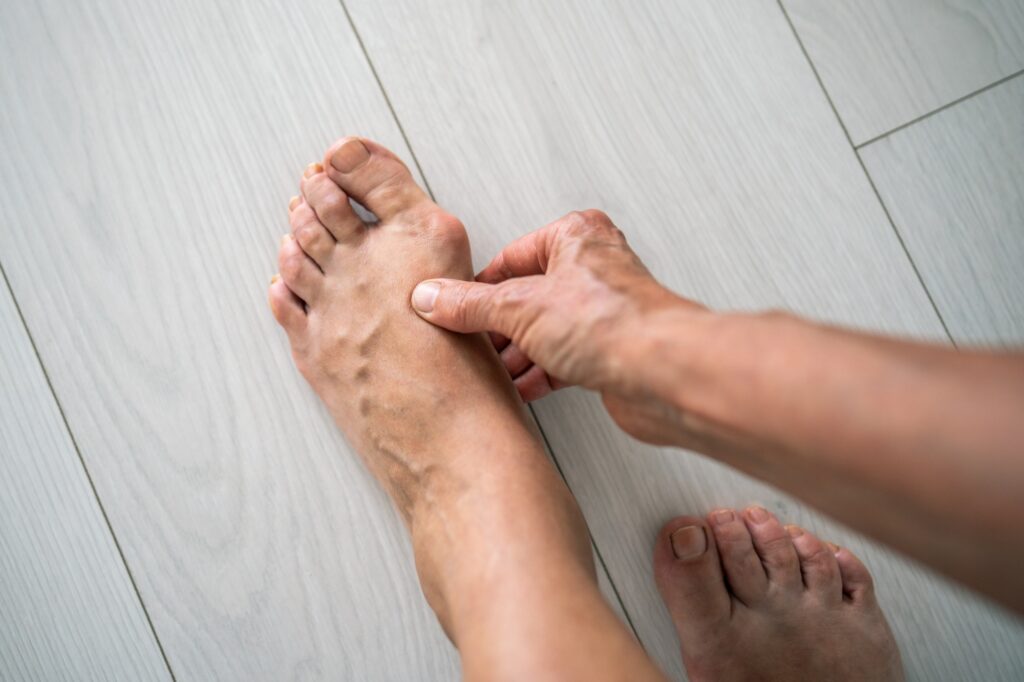
Most bunion pain can be eased at home with roomy shoes, non-medicated pads, ice and over-the-counter pain relievers, according to the Mayo Clinic. These steps calm the pain, but they don't straighten the toe. If pain keeps coming back or limits your day, it's time to see a podiatrist, and surgery is one option to talk about when other care hasn't helped.
A bunion is a bony bump at the base of your big toe. If yours hurts, your body is asking for help, and you don't have to wait until walking becomes a struggle to get answers. Here is what helps, what doesn't, and how to know when it's time for a bigger conversation.
Why Bunions Hurt: Pressure, Inflammation and Joint Changes
A bunion (the medical term is hallux valgus) develops slowly. MedlinePlus explains that pressure on the big toe joint gradually pushes the toe out of place, which forms the bony bump. The American Academy of Orthopaedic Surgeons notes that a bunion usually gets worse over time.
Here is why that bump can hurt so much:
- Pressure: the bump rubs against the inside of your shoe, especially if the shoe is narrow or tight.
- Inflammation: a joint that is rubbed and pressed day after day can become red, swollen and sore.
- Joint changes: as the big toe leans toward the other toes, the joint no longer lines up the way it should, and walking can start to feel different.
For more on the signs to look for, read our post on bunion pain symptoms and warning signs, or our overview page on bunions.
Everyday Relief That Helps
The American Podiatric Medical Association lists non-medicated pads, a toe spacer, shoes with a wide and deep toe box, and ice packs as home care that can ease bunion pain. Here is how to put those ideas to work.
Roomier shoes
This is the first and most important step. Choose shoes with a wide, deep front so your toes can spread out and the bump isn't pressed. Try shoes on later in the day, when feet are a little larger, and make sure you can wiggle your toes. Pointed dress shoes and narrow heels often make bunion pain worse.
Padding and toe spacers
Non-medicated bunion pads can cushion the bump so your shoe doesn't rub it. A soft toe spacer between the big toe and the second toe can also help. Pick products that are not medicated, because Mayo Clinic and APMA both recommend non-medicated pads.
Icing
An ice pack on the sore area can calm a flare-up after a long day on your feet. Wrap the pack in a thin cloth so it doesn't touch your skin directly, and use it for short periods.
Activity changes
On days when your foot is sore, choose lower-impact activity, take breaks off your feet, and swap tight athletic shoes for roomier ones. You don't have to stop moving. You may just need to change how you move for a while.
Over-the-counter pain relievers
Mayo Clinic lists over-the-counter pain relievers as one way to relieve bunion pain. Follow the label, and ask your doctor or pharmacist first if you have other health conditions or take other medicines.
Custom Orthotics: Taking Pressure Off the Joint
Orthotics are shoe inserts that support the foot and change how weight moves across it. For a bunion, the goal is comfort: spreading pressure more evenly so the sore joint isn't doing all the work. A review published in PubMed Central discusses how orthotics and surgery address symptoms versus bone alignment. In plain terms, orthotics can help with pain and pressure, but they are not expected to move the bone back into place.
At Opensky Podiatry, we look at how you stand and walk, then talk through whether custom orthotics make sense for you. They are made to fit your foot, which can feel different from a one-size-fits-all insert from a store. Care is tailored to your needs, so what works for one person may not be the right fit for another.
What Doesn't Work
Bunion correctors and splints as a cure
Many products promise to straighten your toe. They may feel comfortable for some people, but APMA says padding and taping are not a definitive solution for a bunion. If you like how a spacer or splint feels, there is no harm in using it for comfort, but don't expect it to undo a bunion.
Waiting it out
Because a bunion usually gets worse over time (AAOS), hoping the pain goes away on its own can mean more pain and fewer simple options later. Mild pain is a good time to ask questions, not a reason to put it off.
Squeezing into the same shoes
Wearing the same tight shoes and hoping padding will make up for them keeps the pressure on the joint. If a shoe hurts your bunion, it's worth changing the shoe.
When Pain Means It's Time to See a Podiatrist
You don't need to wait for severe pain. Consider booking a visit if:
- Pain keeps coming back, even with roomier shoes and padding
- The bump is red, swollen or hard to fit into shoes
- Pain limits walking, work, exercise or sleep
- Your big toe is shifting toward your second toe
- You have diabetes, numbness or poor circulation and notice any change in your feet
Our post on bunion symptoms you should not ignore walks through the early signs in more detail. The AAOS page on bunions also covers when to see a specialist.
A visit usually includes a look at your foot, a talk about your shoes and daily activities, and often an in-office X-ray to see how the joint is lined up. From there, we can build a plan around you, and most plans start with non-surgical care. Learn more about our bunion treatment options.
Surgical Options and What Recovery Looks Like
Surgery is not the first step for most people. Mayo Clinic notes that surgery is often not needed to relieve bunion pain. A Mayo Clinic Q and A explains that bunion surgery, called a bunionectomy, is an option when conservative measures have not worked.
Surgery may be worth discussing if the pain continues despite good shoes, padding and orthotics, or if the bunion keeps you from the things you want to do. There are different types of bunion procedures, and the right one depends on your foot, the size of the bunion and your goals. Dr. Opensky is a board-certified podiatrist and foot surgeon with 22 years of experience, and he will explain what he recommends and why. You can read more on our bunion surgery page.
Recovery is different for each person and each procedure. It usually involves protecting the foot while it heals, limiting how much weight you put on it for a time, and following aftercare instructions. Ask your podiatrist for a timeline that fits your procedure, your job and your daily routine, so there are no surprises.
Questions to Ask at Your First Visit
- What is causing my pain, and how far along is my bunion?
- Which non-surgical options make sense for me first?
- Would custom orthotics help my foot, and what should I expect from them?
- What type of shoe should I be wearing for work and exercise?
- If surgery comes up, which procedure would you recommend, and why?
- What would recovery look like for my job and family life?
- What will my insurance cover?
On that last question, we accept 200+ insurance plans, and our team can help you check your coverage. You can see more on our insurance page. If weekday times are hard, new patients can ask about evening and weekend hours.
Frequently Asked Questions
Can a bunion go away on its own?
No. A bunion is a change in the joint, and AAOS says it usually gets worse over time. The pain can often be managed, though, and the earlier you ask, the more options you have.
Will roomier shoes fix my bunion?
They can take pressure off and ease pain, but they don't straighten the toe. They are still one of the best first steps.
Do I need surgery for bunion pain?
Not always. Mayo Clinic notes that surgery is often not needed to relieve pain. Surgery is a conversation to have if other care has not given you relief.
Is it okay to use bunion pads and spacers?
Yes, non-medicated pads and toe spacers can help with comfort. Just keep in mind they ease pain and don't correct the bunion.
Bunion Care in Skokie and Whiting
At Opensky Podiatry, you'll get compassionate and expert care built around you. We see patients at our Skokie, IL and Whiting, IN offices, so help is close by. Don't ignore the pain. A short visit can give you a clear plan for gentle, fast relief and a path back to comfortable steps.
Call 708-747-8994 or book an appointment today. You can also visit our Skokie office or Whiting office pages.
Sources
- Bunions - Diagnosis and treatment. Mayo Clinic. mayoclinic.org
- Bunions. American Podiatric Medical Association (APMA). apma.org
- Bunions - OrthoInfo. American Academy of Orthopaedic Surgeons (AAOS). orthoinfo.org
- Bunion: MedlinePlus Genetics. MedlinePlus, National Library of Medicine (NIH). medlineplus.gov
- Bunions and Their Treatment. PubMed Central, National Library of Medicine (NIH). pmc.ncbi.nlm.nih.gov
- Mayo Clinic Q and A: Bunion treatment and surgery. Mayo Clinic News Network. newsnetwork.mayoclinic.org
This article is for general education and is not medical advice. If you have bunion pain that keeps returning, redness or swelling, or you have diabetes or poor circulation, see a podiatrist or your doctor.