Diabetic Foot Care in Skokie & Whiting

Regular foot exams and fast care for small problems, so diabetes doesn’t get in the way of walking.

Why Diabetes Changes How You Care for Your Feet

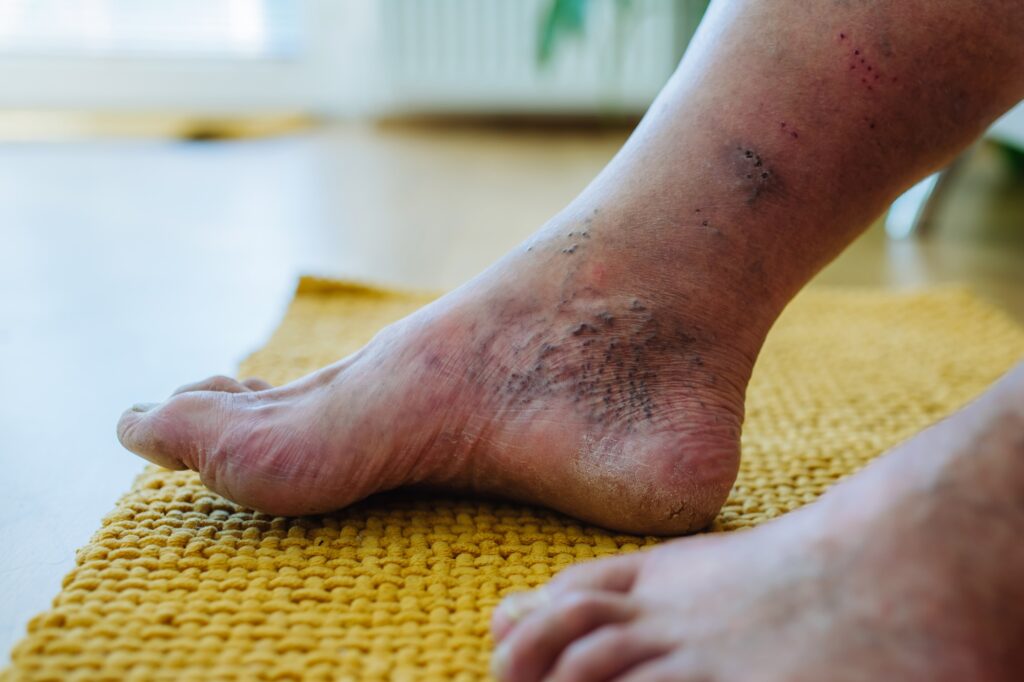
Over time, diabetes can damage the nerves and blood vessels in the feet. That means a small blister or cut can go unnoticed and heal slowly.

According to the National Institute of Diabetes and Digestive and Kidney Diseases, nerve damage can take away feeling in your feet, and poor blood flow makes sores harder to heal. That’s why foot problems that would be minor for someone else deserve prompt attention when you have diabetes.

The good news: most diabetes-related foot problems can be prevented or caught early with daily self-checks and regular exams by a podiatrist.

  • Numbness, tingling or burning in the feet
  • Cuts, blisters or sores that are slow to heal
  • Calluses, corns or thick, discolored nails
  • Changes in the color, temperature or shape of the foot
  • Cramping in the calves when walking

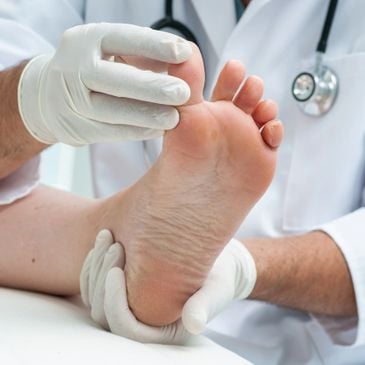
Podiatrist checking the foot of a patient with diabetes

Your Diabetic Foot Exam

The CDC recommends a comprehensive foot exam at least once a year, and more often if you already have nerve damage or foot problems.

At Opensky Podiatry, a diabetic foot exam typically includes:

  • A close look at your skin, nails and pressure points
  • Checking the pulses in your feet for signs of reduced blood flow
  • Testing feeling in your feet for nerve damage
  • Reviewing your shoes and socks
  • A plan for how often you should come back

Want to know what to watch for between visits? Read 7 diabetic foot warning signs to watch.

Doctor examining the sole of a patient's foot

Treatment and Protection

When something does come up, early care keeps it small. Dr. Opensky treats common diabetic foot problems with conservative care first.

  • Safe trimming of thick nails and care for corns and calluses
  • Wound care for foot ulcers and slow-healing sores
  • Custom orthotics to take pressure off high-risk spots
  • Guidance on protective shoes and socks
  • Treatment for ingrown toenails and toenail fungus, which carry more risk with diabetes
  • X-ray and ultrasound when an injury or infection needs a closer look

The American Diabetes Association also advises checking your feet every day and seeing a doctor promptly for numbness, ulcers or cuts that won’t heal. If you notice a wound, redness or swelling, call us rather than waiting for your next visit.

Daily Foot Care at Home

A few minutes a day makes a real difference.

  • Look at your feet every day, including the soles and between the toes (use a mirror or ask for help)
  • Wash in warm, not hot, water and dry carefully, especially between the toes
  • Moisturize dry skin, but not between the toes
  • Never walk barefoot, even at home
  • Wear well-fitting shoes and clean, dry socks
  • Keep your blood sugar, blood pressure and cholesterol in your target range

Frequently Asked Questions

How often should someone with diabetes see a podiatrist?

At least once a year for a comprehensive foot exam. If you have nerve damage, poor circulation, a past ulcer or foot deformities, your podiatrist may want to see you every few months.

What does a diabetic foot exam check for?

Your skin and nails, pressure points, the pulses in your feet, and how well you can feel touch and vibration. We also look at your shoes and talk through daily care.

When should I call right away?

Call if you have a cut, blister or sore that isn’t healing, new redness, warmth or swelling, drainage, or a change in the shape of your foot. These need prompt care when you have diabetes.

Can custom orthotics help with diabetes?

Yes. Orthotics can spread pressure more evenly and protect spots that are at risk of breaking down.

Do you see diabetic patients in both offices?

Yes. Dr. Opensky sees patients in Skokie, IL and Whiting, IN.

Insurances Accepted

Plus 200+ more in-network plans — give us a call to verify yours.

Cigna Blue Cross Blue Shield Medicare Aetna UnitedHealthcare

Ready to get back on your feet?

Book at our Skokie or Whiting office. Evening and weekend hours are available for new patients.