Hammertoe Treatment in Skokie & Whiting

Relief for bent, painful toes, from simple padding and shoe changes to surgery when it’s needed.

What Is a Hammertoe?

A hammertoe is a toe, usually the second, third or fourth, that bends at the middle joint so it curls down instead of lying flat.

The bend often rubs against the top of your shoe, causing corns, calluses and pain. According to the Mayo Clinic, shoes that are narrow or tight in the toes, a past toe injury, arthritis and diabetes all raise the risk. Hammertoes also often show up alongside bunions.

  • A toe that stays bent at the middle joint
  • Corns or calluses on top of the toe or at the tip
  • Pain or rubbing when you wear shoes
  • Redness or swelling over the joint
  • Trouble straightening the toe
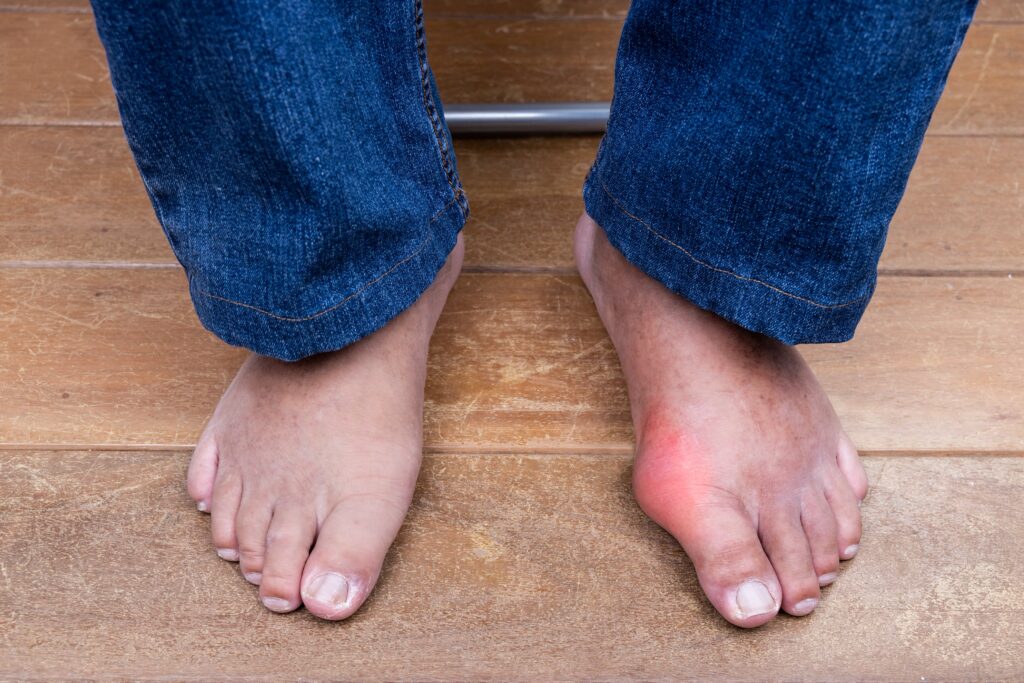
Swollen, bent toe joint on a man's foot

Flexible vs. Rigid Hammertoes

Early on, a hammertoe is usually flexible: you can still straighten it by hand. Over time the joint can stiffen and become rigid.

The Cleveland Clinic notes that flexible hammertoes often respond to simple care, while rigid ones are more likely to need surgery. That’s why it pays to get a bent toe checked before it locks in place.

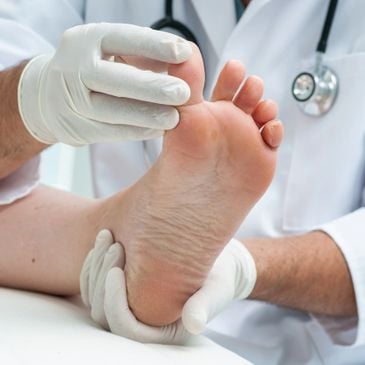
Doctor examining the sole of a patient's foot

Treatment Options for Hammertoes

Most hammertoes can be managed without surgery, especially when they’re caught early.

  • Shoes with a roomy, deep toe box and low heels
  • Pads, cushions and toe splints to protect the joint and relieve pressure
  • Care for painful corns and calluses
  • Custom orthotics to improve the foot mechanics that push the toes out of line
  • Toe stretches and strengthening exercises for flexible hammertoes
  • Cortisone injections when a joint is inflamed
  • Surgery to straighten a rigid, painful toe when other treatment hasn’t helped

Dr. Opensky is a board-certified foot surgeon, so if surgery is the right choice, you can have it done by the same doctor who has followed your care. Read more about hammertoe treatment options.

Frequently Asked Questions

Can a hammertoe go back to normal on its own?

A flexible hammertoe can improve with better shoes, padding and exercises, but it usually won’t fully straighten on its own. A rigid hammertoe doesn’t go away without surgery.

What shoes are best for hammertoes?

Shoes with a wide, deep toe box, a low heel and soft uppers that don’t press on the top of the toe.

Is hammertoe surgery painful?

It’s done with anesthesia, and most discomfort afterward is managed with rest, elevation and medicine. We’ll explain recovery before you decide.

Are hammertoes linked to bunions?

Often, yes. A bunion can crowd the second toe and push it into a hammertoe position.

When should I see a podiatrist for a hammertoe?

If the toe hurts, rubs in your shoes, has a painful corn, or is getting stiffer. People with diabetes should have any toe deformity checked.

Insurance Plans We Accept

Plus 200+ more in-network plans — give us a call to verify yours.

Cigna Blue Cross Blue Shield Medicare Aetna UnitedHealthcare

Ready to get back on your feet?

Book at our Skokie or Whiting office. Evening and weekend hours are available for new patients.