
Hammertoe Treatment Options: From Padding to Surgery
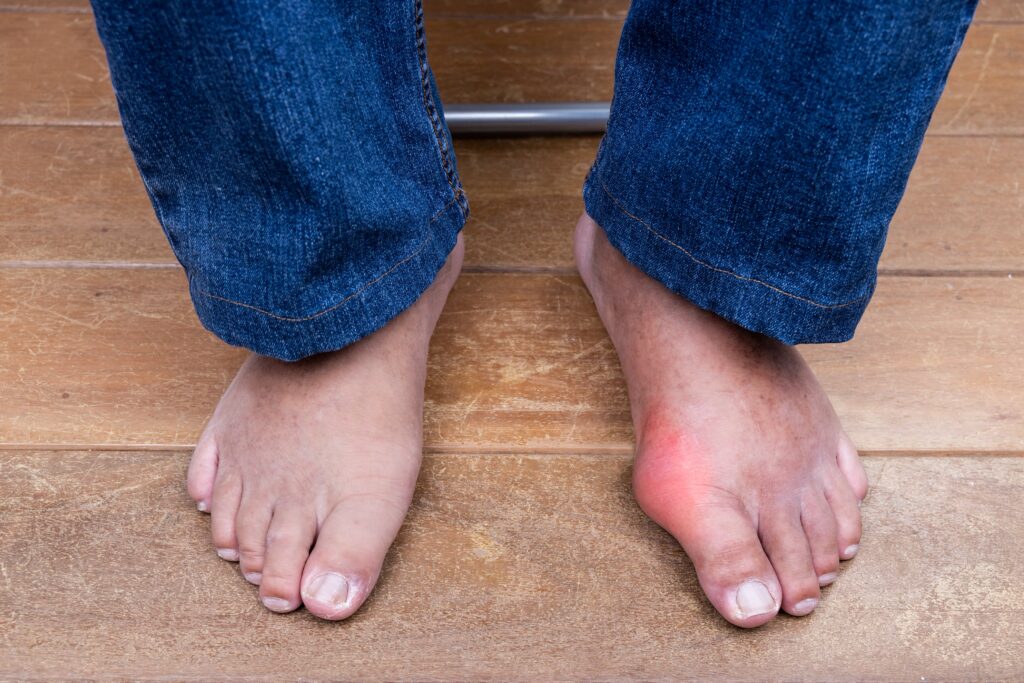
A hammertoe starts small: a toe that bends a little at the middle joint and rubs against your shoe. Left alone, it can stiffen into a painful, permanent bend with a corn on top. The good news is that there’s a ladder of treatments, and most people never need to climb to the top. Here’s how hammertoes are treated, from the simplest fixes to surgery.
First, is your hammertoe flexible or rigid?
This is the question that shapes treatment. A flexible hammertoe can still be straightened by hand; a rigid one stays bent. The Cleveland Clinic notes that rigid hammertoes are more likely to need surgery, which is why catching a bent toe early gives you more options. (New to the condition? Start with our hammertoe treatment page.)
Step 1: Shoes that give your toes room
Footwear is the most common trigger. According to the Mayo Clinic, shoes that are narrow or tight in the toes, and high heels that push the toes forward, raise the risk of hammertoe. Changing shoes is often the single biggest help:
- A wide, deep toe box so the bent toe doesn’t press on the top of the shoe
- Low heels (under two inches)
- Soft, stretchy uppers without seams over the joint
- Length to spare: about half an inch beyond your longest toe
Step 2: Pads, cushions and splints
Non-medicated pads and gel sleeves protect the top of the toe from friction. Toe crests that sit under the toes and splints or straps can hold a flexible toe in a straighter position. Avoid medicated corn pads with acid, especially if you have diabetes, because they can damage healthy skin.
Step 3: Treat the corns and calluses
Corns on top of a hammertoe can hurt more than the bend itself. A podiatrist can safely pare them down in the office. Don’t cut them yourself.
Step 4: Stretches and toe exercises
For flexible hammertoes, simple exercises can keep the joint moving and strengthen the small muscles of the foot:
- Picking up marbles or a towel with your toes
- Gently stretching the toe straight by hand a few times a day
- Calf stretches, since tight calves change how pressure lands on the front of the foot
Step 5: Orthotics
Hammertoes often come from foot mechanics, like flat feet, high arches or a bunion that crowds the second toe. Custom orthotics can improve that balance and take pressure off the front of the foot.
Step 6: Injections for an inflamed joint
When the joint is red, swollen and sore, a cortisone injection can calm the inflammation and give you room to work on the other steps.
Step 7: Surgery for a rigid, painful toe
When a hammertoe is rigid and still painful despite good shoes and padding, surgery can straighten it. Depending on the toe, that may mean releasing tight tendons or removing a small piece of bone at the joint so the toe can lie flat. Recovery usually involves a few weeks in a post-surgical shoe.
Dr. Opensky is a board-certified foot surgeon, so if surgery is the right step, the doctor who has followed your care can perform it. He’ll explain the procedure, recovery and what to expect before you decide.
When to see a podiatrist
- The toe hurts or rubs in most of your shoes
- A painful corn keeps coming back
- The toe is getting stiffer
- You have diabetes or poor circulation (any toe deformity deserves a check; see diabetic foot care)
Common questions
Can a hammertoe straighten on its own?
A flexible hammertoe can improve with roomier shoes, padding and exercises, but it rarely straightens completely on its own. A rigid hammertoe won’t straighten without surgery.
Do toe straighteners work?
Splints and straps can ease pressure and hold a flexible toe straighter while you wear them. They don’t permanently change the joint, so think of them as comfort tools.
How long is recovery from hammertoe surgery?
It varies with the procedure, but many people wear a post-surgical shoe for several weeks, and swelling can take a few months to fully settle.
The bottom line
Most hammertoes can be managed with the right shoes, padding and orthotics, especially when they’re caught while still flexible. If yours is rigid or painful, a podiatrist can help you decide whether surgery is worth it. Dr. Opensky sees patients in Skokie, IL and Whiting, IN.
Sources
- Hammertoes: What It Is, Causes, Relief & Treatment. Cleveland Clinic. my.clevelandclinic.org
- Hammertoe and mallet toe: Symptoms and causes. Mayo Clinic. mayoclinic.org
This article is for general education and is not medical advice. If you have foot or ankle pain that isn’t getting better, or you have diabetes or poor circulation, see a podiatrist or your doctor.