
Bunion Symptoms You Should Not Ignore
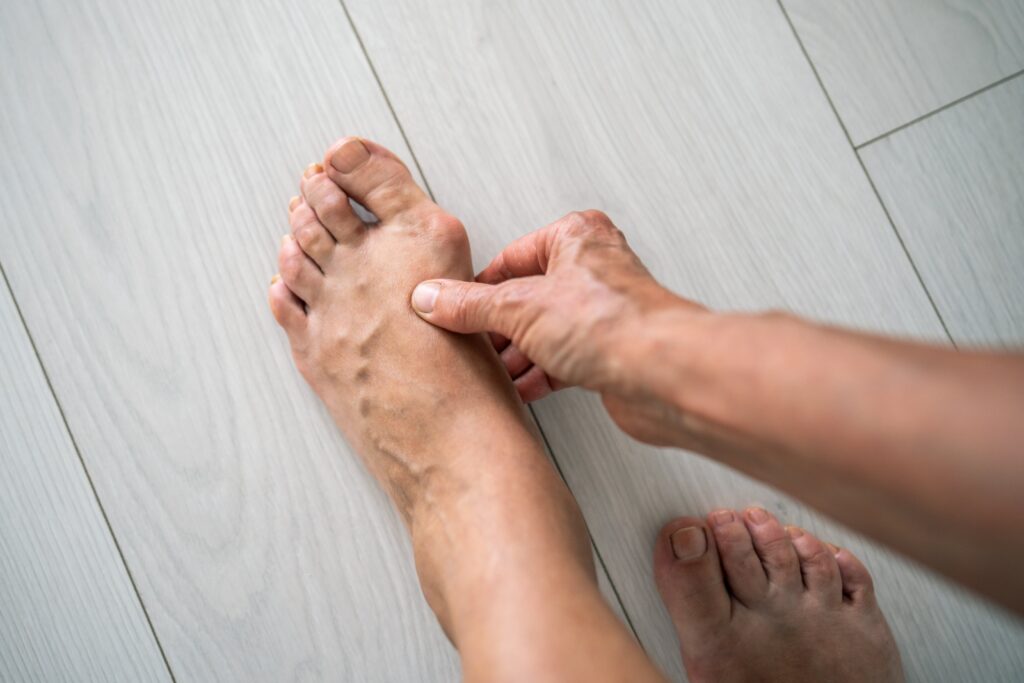
Early bunion treatment is easiest—and cheapest—when you spot the warning signs quickly. Below are the key symptoms of bunion formation that podiatrists look for, why each matters, and what you can do before the bump becomes a daily pain.
1. Subtle Big-Toe Drift
If the big toe starts angling toward the second toe—even a few millimeters—it’s the earliest structural change. Catching the drift now lets custom orthotics slow or even halt further movement.
2. End-of-Day Joint Ache
A dull throb at the joint after standing or walking all day signals soft-tissue irritation and early cartilage stress. Regular pain above 3/10 more than twice a week deserves a podiatry visit.
3. Red or Shiny Skin Over the Bump
Friction from narrow shoes inflames the bursa and causes redness or glossy skin. Chronic irritation accelerates joint enlargement and makes later surgery more complex.
4. Stiff First Steps in the Morning
If the first 10 steps out of bed feel tight or painful but loosen up after moving, inflammation is already present inside the joint capsule—an early stage many people ignore.
5. Burning or Numbness at the Big-Toe Tip
Pins-and-needles sensations mean the bunion is compressing a small digital nerve. Long-term compression can cause permanent numbness or neuroma formation.
6. Callus Under the Second Toe
Shifting pressure away from the big toe to its neighbor creates a thick callus under the second metatarsal head. That callus is a red flag your weight distribution is already off balance.
Self-Check in 60 Seconds
Stand barefoot on a hard floor, feet hip-width apart. – Can you slide a credit card flat against the inside edge of your big toe? If it wobbles on a bump, a bunion is forming. – Snap a photo and draw a line from heel center through the first metatarsal: if the big toe tip sits inside the line, drift has begun.
Early Actions That Matter
• Switch to wide-toe-box shoes immediately. • Add silicone spacers or a night splint to keep alignment while you sleep. • Begin calf and arch stretches twice daily. • Schedule an assessment for custom orthotics if soreness persists after two weeks.
When to Book a Podiatry Visit
– Visible bump combined with any of the symptoms above – Pain interrupting workouts or work shifts – Difficulty fitting into standard athletic shoes – Family history of rapidly progressing bunions
Ignoring these early symptoms of bunion formation allows deformity to advance—making eventual bunion treatment longer and costlier. Get ahead of the curve: book an appointment today and keep your steps comfortable for years to come.