
Bunion Pain Symptoms: Warning Signs You Shouldn’t Ignore
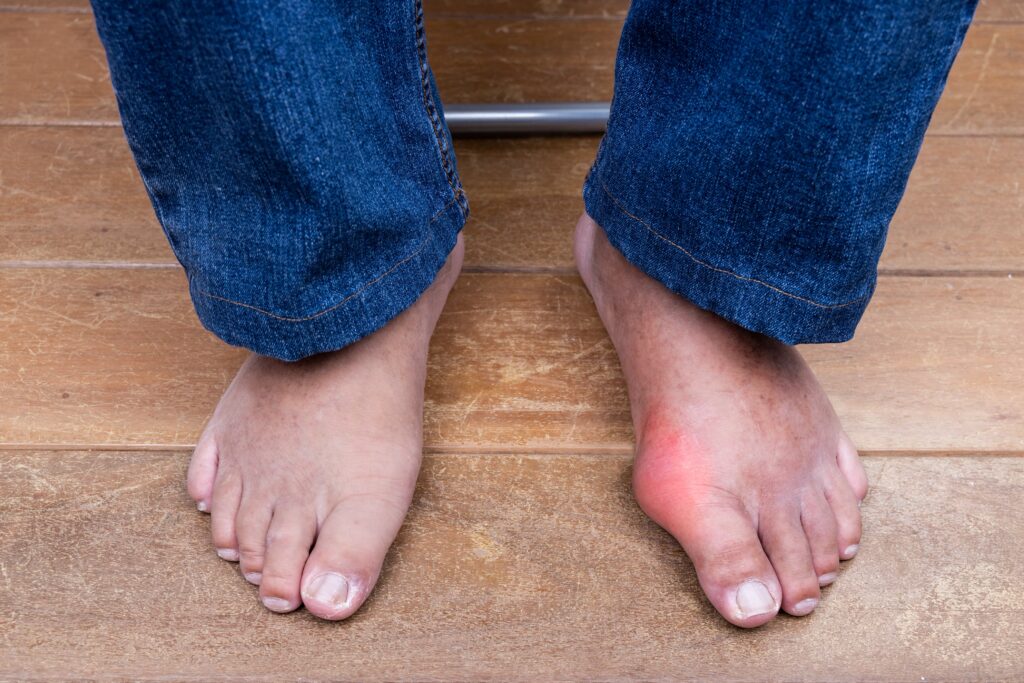
A mild ache near your big toe might not seem urgent, but small flare-ups often signal a bunion that’s starting to shift—and early intervention is the fastest route to successful bunion treatment. Below are the red-flag symptoms podiatrists watch for, what’s happening under the skin, and when to book an appointment before the bump becomes a daily problem.
1. Persistent Big-Toe Joint Soreness
What you feel: a dull, end-of-day ache where the big toe meets the foot. Why it matters: soreness means soft-tissue irritation and early cartilage wear. Left alone, swelling thickens the joint capsule and accelerates deformity.
2. Morning Stiffness That Loosens After Walking
What you feel: the first ten steps hurt, then the joint “warms up.” Why it matters: stiffness indicates inflammation inside the joint; as the bunion drifts, the joint space narrows and cartilage grinds.
3. Redness or Heat Over the Bump
What you see: skin looks flushed or feels warmer than the surrounding foot. Why it matters: repetitive friction from shoes inflames the bursa (a fluid sac). Chronic bursitis can calcify and enlarge the bunion faster.
4. Numbness or Tingling in the Big-Toe Tip
What you feel: pins-and-needles sensation after long walks or tight shoes. Why it matters: the bunion is compressing the dorsal digital nerve; prolonged pressure can cause permanent numbness if untreated.
5. Callus Under the Second Toe
What you see: a thick callus forming beneath the second metatarsal head. Why it matters: as the bunion pushes the big toe inward, it forces extra weight onto the second toe—often the first sign you’ll need structured bunion treatment such as orthotics or, eventually, surgical correction.
Self-Checks You Can Do Tonight
– Stand barefoot and look down: is the big toe leaning toward the second toe? – Slide a credit card along the medial (inner) edge; if the card can’t sit flush, the bump is protruding. – Rate pain on a 0–10 scale after a full day in normal shoes; anything above 3 more than twice a week deserves a podiatry visit.
Early Bunion Treatment Options
Conservative care slows progression and often eliminates pain: • Wide-toe-box footwear and silicone toe spacers • Custom orthotics to redistribute pressure • Daily calf and plantar-fascia stretches • Night splints to keep the joint aligned
If pain persists after six weeks of conservative care—or if the deformity interferes with shoe fit—your podiatrist may discuss minimally invasive options such as Lapiplasty® 3-D bunion correction.
When to See a Podiatrist
– Painful bump swelling more than twice per month – Difficulty fitting into standard athletic shoes – Numbness, burning, or second-toe callusing – Family history of bunions progressing quickly
Get Ahead of the Pain
Ignoring early bunion pain symptoms lets the joint drift further, making future treatment more complex. Schedule a consultation with our team for a detailed assessment and a customized bunion treatment plan.
Book your appointment today and keep every step comfortable—now and years down the road.