
How to Prevent Ingrown Toenails: Trimming, Shoes and Who Is Most at Risk
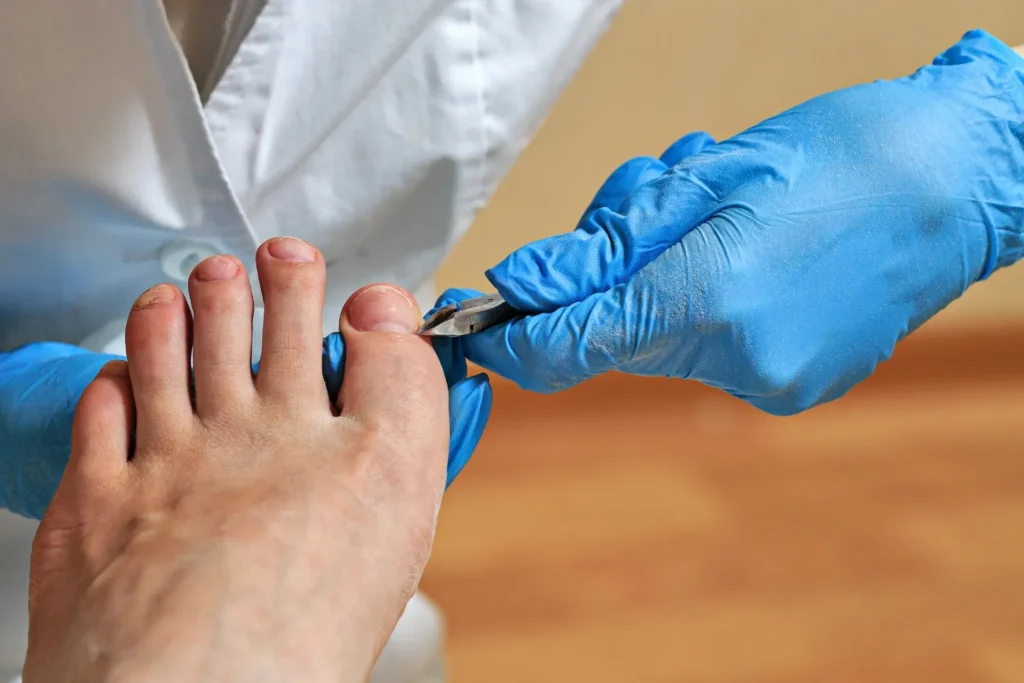
The best way to prevent an ingrown toenail is to trim your toenails straight across, leave them even with the tips of your toes, and wear shoes with enough room for your toes. Those two habits address the most common causes, according to the Mayo Clinic. Some people are more likely to get them than others, so it helps to know your own risk.
An ingrown toenail happens when the edge of a nail grows into the skin beside it instead of staying on top. It most often affects the big toe, and it can turn a simple walk into a painful one. The good news is that a few small changes can keep your feet comfortable, and you don't have to wait for pain to ask for help.
What Causes an Ingrown Toenail?
Several everyday things can push a nail into the skin. The Mayo Clinic lists shoes that crowd the toes, cutting nails too short or not straight across, toenail injury, and very curved nails. MedlinePlus adds that stubbing your toe and trimming nails in a rounded shape can also cause the nail to grow into the skin.
Here is how that looks in real life:
- Trimming too short or rounded: the skin can fold over the nail edge, and the nail then grows into it as it comes back.
- Tight or pointed shoes: they squeeze the toes together and press the nail edge into the skin all day.
- Injury: a dropped object, a stubbed toe or repeated bumping can change how the nail grows.
- Naturally curved nails: a nail that curls at the sides is more likely to dig in.
The Right Way to Trim Your Toenails, Step by Step
Both the American Podiatric Medical Association and the Mayo Clinic advise cutting toenails straight across and no shorter than the tip of the toe. Here is a simple routine:
- Soften first. Trim after a bath or shower, or after soaking your feet in warm water, when the nail is easier to cut cleanly.
- Use clean, sharp clippers. Use a clipper made for toenails. Dull or dirty tools tear the nail and can spread germs.
- Cut straight across. Keep the edge flat. Don't round the corners to match the shape of your toe.
- Stop at the tip of the toe. Leave the nail even with the end of your toe, not cut down into the skin.
- Smooth the edges. A gentle pass with a nail file removes sharp corners without cutting into the nail's side.
- Check often. Look at your nails every week or two, especially if you have had an ingrown nail before.
Shoes, Socks and Sports Habits That Put Pressure on the Nail
Your shoes matter as much as your clippers. If your toes touch the end of the shoe, or the toe box pinches the sides of your nail, the nail edge is being pushed where it shouldn't go. Pointed dress shoes, narrow heels and shoes that are a half-size too small are common culprits.
- Check the fit. There should be room to wiggle your toes. Try shoes on later in the day, when feet are a little larger.
- Choose a roomy toe box. Look for a wider front of the shoe that doesn't squeeze the sides of the toes.
- Wear socks that fit. Socks that are too tight can pinch the toes. Socks that are too loose can bunch up and rub.
- Think about your sport. Running, soccer, basketball and dancing involve repeated toe stubbing and pressure inside the shoe. Make sure athletic shoes are the right size and lace them so your foot doesn't slide forward.
If your foot shape causes repeated pressure, custom orthotics or sports orthotics may help the foot sit better in the shoe. A podiatrist can tell you whether they make sense for you.
Who Is Most at Risk?
Anyone can get an ingrown toenail, but the Cleveland Clinic notes that adolescents, athletes and people with diabetes are at higher risk. Here is why each group deserves extra attention:
Teens
Growing feet can outgrow shoes quickly, and teens often wear tight or trendy footwear. Nails may also be trimmed in a rounded shape. A quick shoe-fit check every few months is a good habit for growing feet.
Athletes
Repeated impact, stubbing and tight athletic shoes can all irritate the nail. Runners and field-sport players often notice trouble after long sessions in shoes that fit snugly.
People with diabetes
Diabetes can reduce feeling in the feet and slow healing, so a small problem can go unnoticed and become serious. If you have diabetes, don't treat an ingrown toenail yourself. Have it checked early. Our post on diabetic foot care warning signs explains what to watch for.
People with curved nails
If your nails naturally curl at the edges, careful straight-across trimming is especially important, and you may want a podiatrist to check them now and then.
Home Care That Helps and Common Mistakes to Avoid
If a nail is just starting to feel tender and there is no sign of infection, gentle steps can help. Soak your foot in warm water, dry it well, and wear roomy shoes or open-toed footwear while it settles. Keep the area clean.
These common mistakes make things worse:
- Cutting a V in the nail. This is a popular myth. It doesn't relieve pressure, and the nail still grows the same way.
- Digging at the corner. Picking or cutting out the edge of the nail can leave a sharp spur behind and can introduce germs.
- Cutting the nail very short. A short nail gives skin room to fold over it.
- Ignoring it. An ingrown nail that keeps coming back is a sign it needs a professional look.
As we explain in Is an Ingrown Toenail Dangerous?, trying to dig out an ingrown nail at home can make the problem worse.
Signs of Infection: When to Call a Podiatrist
The Cleveland Clinic lists the signs of infection as pain, redness, swelling, pus, and a toe that feels warm or hot. The APMA advises seeing a podiatrist right away if there is drainage or excessive redness around the nail. Call us if you notice:
- Pain that is getting worse
- Redness that spreads
- Swelling or a toe that feels warm
- Pus or other drainage
- An ingrown nail that keeps returning
- Any ingrown nail if you have diabetes or poor circulation
To learn what care looks like, read about our ingrown toenail treatment and what to expect from ingrown toenail removal and healing time.
What a Podiatrist Can Do
Treatment depends on how advanced the problem is. In an early case, a podiatrist may carefully lift or trim the problem edge and show you how to care for the nail afterward. When the nail is infected, painful or keeps coming back, a minor in-office procedure may be recommended. One recognized option is partial nail avulsion, where only the portion of the nail that is digging in is removed, as described by the Royal Australian College of General Practitioners. These procedures are usually done with local anesthetic so you stay comfortable.
Our ingrown toenail treatment page explains the options we offer, and Dr. Opensky will tailor the plan to your needs.
Frequently Asked Questions
Can an ingrown toenail go away on its own?
A very mild one may settle with proper trimming, roomier shoes and clean, dry skin. If it is painful, getting worse, or keeps returning, it's best to have it checked.
Should I cut a V in my toenail?
No. Cutting a V doesn't fix the way the nail grows. Cut straight across instead.
Is it safe to get my nails done if I get ingrown toenails?
Let your nail technician know about the problem and ask them to cut straight across without rounding the corners or cutting deep into the sides. If you are prone to ingrown nails or have diabetes, a podiatrist can trim them safely.
Can children get ingrown toenails?
Yes. Children and teens can get them from tight shoes, rounded trimming or injury. Our office welcomes the whole family.
Care for the Whole Family in Skokie and Whiting
At Opensky Podiatry, Dr. Brian Opensky, a board-certified podiatrist and foot surgeon with 22 years of experience, offers compassionate and expert care for children, teens and adults. We see patients at our Skokie, IL and Whiting, IN offices, accept 200+ insurance plans, and offer evening and weekend hours for new patients. Your body is asking for help when a toe hurts, so don't ignore the pain.
Call 708-747-8994 or book an appointment today. You can also visit our Skokie office or Whiting office pages.
Sources
- Ingrown toenails - Symptoms & causes. Mayo Clinic. mayoclinic.org
- Ingrown Toenails. American Podiatric Medical Association (APMA). apma.org
- Ingrown Toenails: Signs, Causes, Treatment & Prevention. Cleveland Clinic. clevelandclinic.org
- Ingrown toenail: MedlinePlus Medical Encyclopedia. MedlinePlus, National Library of Medicine (NIH). medlineplus.gov
- Partial nail avulsion and matricectomy for ingrown toenails. Royal Australian College of General Practitioners (RACGP). racgp.org.au
This article is for general education and is not medical advice. If you have pain, signs of infection, diabetes or poor circulation, see a podiatrist or your doctor.