
Ingrown Toenail Removal in Skokie: Procedure and Healing Time
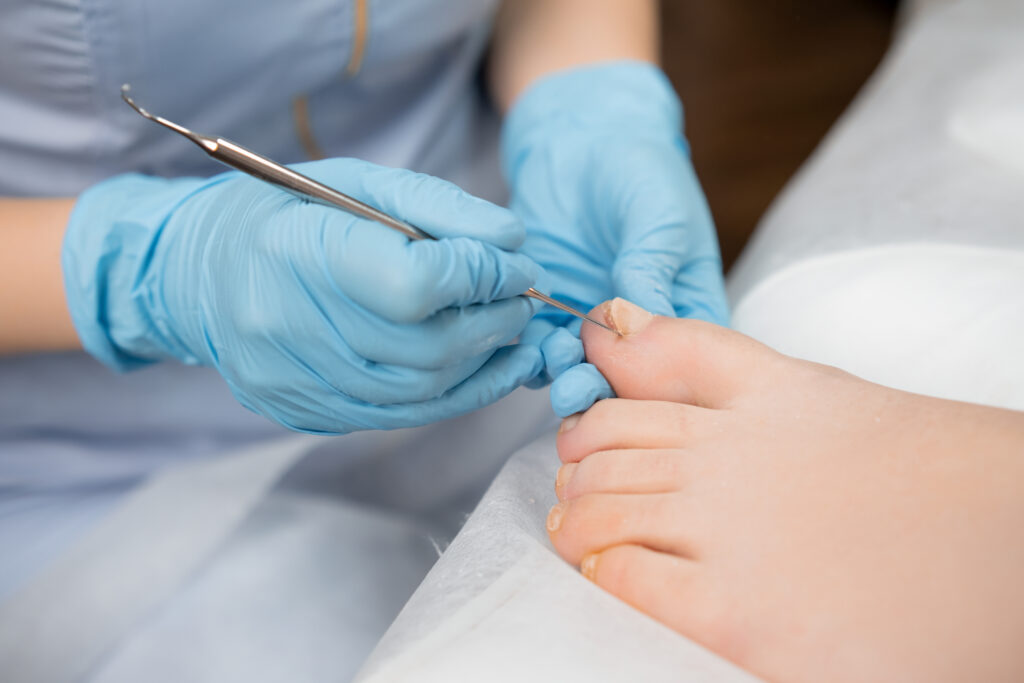
If you have ever dealt with an ingrown toenail, you already know how something so small can take over your whole day. Shoes hurt. Walking hurts. Even a bedsheet brushing your toe can feel brutal.
The tricky part is that ingrown toenails often start as a minor irritation and slowly turn into swelling, drainage, or infection. For many people, especially those who have recurring ingrown nails, the best solution is a quick in office procedure that removes the problem edge of the nail and helps prevent it from coming back.
This guide explains what ingrown toenail removal in Skokie typically involves, what healing looks like, and when you should stop trying to manage it at home and see a podiatrist.
If you want the short version first: most procedures are fast, done with local anesthesia, and recovery is usually very manageable when aftercare is followed.
What an ingrown toenail really is
An ingrown toenail happens when the edge of the nail grows into the surrounding skin instead of straight outward. This most often affects the big toe.
Common symptoms include pain on one side of the nail, swelling, redness, and tenderness. If the skin breaks down or bacteria gets in, it can progress into an infected ingrown toenail with drainage or pus.
Ingrown toenails can be caused by a few predictable things:
- Cutting nails too short or rounding the corners
- Tight shoes that squeeze the toes
- Toe injuries or repeated pressure from sports or work boots
- Naturally curved nails or family history
For some people, it is a one time problem. For others, it keeps coming back, which is where a more definitive ingrown toenail treatment becomes worth it.
When home care is reasonable and when it is not
Mild ingrown toenails may improve with careful home care, especially if there is no infection and the pain is minimal. The Mayo Clinic outlines common conservative steps like warm soaks and protecting the area while it calms down. Mayo Clinic: ingrown toenail treatment
That said, there are situations where home care is not the right move.
You should consider professional care sooner if:
- Pain is getting worse instead of better
- There is drainage, pus, odor, or spreading redness
- You see a “bubble” of tissue along the nail edge (often a sign of ongoing inflammation)
- The ingrown toenail is recurring
- You have diabetes, neuropathy, or circulation issues
- It hurts enough that you are changing how you walk
If you want a quick check on risk factors and red flags, see Is an Ingrown Toenail Dangerous?
What happens at a podiatry visit in Skokie
Most visits follow a simple process:
- Your toe is examined to confirm the ingrown edge and check for infection
- The surrounding skin is assessed for swelling, drainage, or overgrown tissue
- Your medical history is reviewed, especially diabetes, circulation, immune issues, or blood thinners
- You discuss treatment options based on severity and how often it happens
For mild cases, treatment may be conservative. For moderate to severe cases, the most effective solution is often a minor in office procedure.
What “ingrown toenail removal” actually means
A lot of people hear “toenail removal” and imagine the whole nail being pulled off. In most cases, that is not what happens.
The most common procedure is a partial nail avulsion, meaning only the ingrown portion of the nail is removed. This removes the sharp edge that is cutting into the skin.
For chronic or recurring ingrown toenails, a matrixectomy may be added. That means the nail root for that small edge is treated so it does not grow back into the skin again. There are different ways to do this, and your podiatrist chooses the approach based on your toe, your nail shape, and your history.
The American Academy of Family Physicians notes that partial nail avulsion is the most common surgical approach, and adding a matrixectomy helps reduce recurrence for repeat cases. American Family Physician
For more on ingrown toenail treatment options, from conservative care to in-office procedures, read Effective Ingrown Toenail Treatment.
What the procedure feels like step by step
Most patients are surprised by how straightforward it is. Here is what a typical ingrown toenail removal appointment looks like.
Numbing the toe
A local anesthetic is used to numb the toe. This is usually the most uncomfortable part, and it lasts seconds. After that, you should not feel sharp pain during the procedure.
Cleaning and preparing the area
The toe is cleaned thoroughly. If there is infection, your podiatrist may gently clear debris or drainage so the toe can heal properly.
Removing the ingrown nail edge
A small portion along the side of the nail is separated and removed. This is the part that has been digging into the skin.
Optional step for repeat cases: matrixectomy
If the ingrown toenail keeps returning, the root for that edge may be treated so it does not regrow in the same painful pattern. This is often what turns a recurring issue into a long term fix.
Bandaging and aftercare instructions
The toe is dressed and you are given clear instructions on how to care for it at home.
In most cases, you walk out on your own. You just want roomy shoes for the ride home.
Healing timeline: what to expect day by day and week by week
Healing varies based on whether it was partial or more extensive, whether there was infection, and how well aftercare is followed. But here is a realistic timeline that matches what most patients experience.
The first 24 hours
- Numbness wears off within hours
- Mild throbbing is common
- Keeping the foot elevated helps a lot
- The dressing usually stays on for the initial period your podiatrist recommends
Days 2 to 3
- Many people return to normal daily activities quickly, with common sense limitations
- Drainage or weeping can be normal as the toe heals
- Pain should trend down, not up
The first week
- Redness and swelling should reduce steadily
- You may be instructed to do gentle soaks and re dress the toe
- Most patients are comfortable in wider shoes or sneakers
Weeks 2 to 4
- The skin continues to toughen and close
- If a matrixectomy was done, there may still be mild drainage as the tissue heals
- Activity increases as comfort allows
Longer healing window
Some aftercare guidance from NHS sources notes that full healing can take several weeks depending on the procedure and how much nail was removed, and it is normal for the wound to weep during healing. NHS toenail surgery aftercare (PDF)
If you want a simple, patient friendly aftercare page, this NHS discharge advice is also helpful. NHS discharge advice for ingrowing toenails
The key idea is this: you usually feel better fast, but the tissue still needs time to fully settle.
Aftercare tips that make recovery smoother
Most post procedure problems happen when people do too much too soon, wear tight shoes, or stop care early because the toe “feels fine.”
A few habits make a big difference:
- Keep the toe clean and follow your dressing routine
- Avoid tight shoes until tenderness is gone
- Do not pick at scabs or healing tissue
- Keep an eye on redness and swelling trends
- Finish any medications exactly as prescribed if infection was present
If you see spreading redness, increasing warmth, worsening swelling, fever, or red streaking up the foot, that is not normal healing. That is a reason to contact a medical professional quickly.
How to prevent ingrown toenails from coming back
Even after a successful procedure, prevention matters, especially if you are prone to curved nails.
These are the big wins:
- Trim nails straight across, not rounded
- Do not cut nails too short
- Wear shoes with room in the toe box
- Avoid repeated toe pressure from tight cleats or narrow dress shoes
- Address early tenderness before it becomes a full flare up
If you need ongoing help with nail care, recurring ingrown nails, or related foot issues, you can start by reviewing the clinic’s services overview and ingrown toenail section. our services page.
When to book an appointment in Skokie
If you are dealing with a painful or recurring ingrown toenail, or you suspect infection, it is usually best not to wait it out. Early treatment is simpler and recovery is often easier.
Ready to get it checked? request an appointment.
Final thoughts
Ingrown toenails are common, but they do not need to become a long running problem. If your toe is swollen, draining, worsening, or you keep getting the same ingrown nail repeatedly, an in office procedure can provide fast relief and reduce the odds of recurrence.
The right plan depends on severity, your medical history, and whether this is a repeat issue. If you are in the Skokie area, the next step is a quick evaluation so you can stop guessing and start healing.