
Sharp Heel Pain in the Morning — What It Means
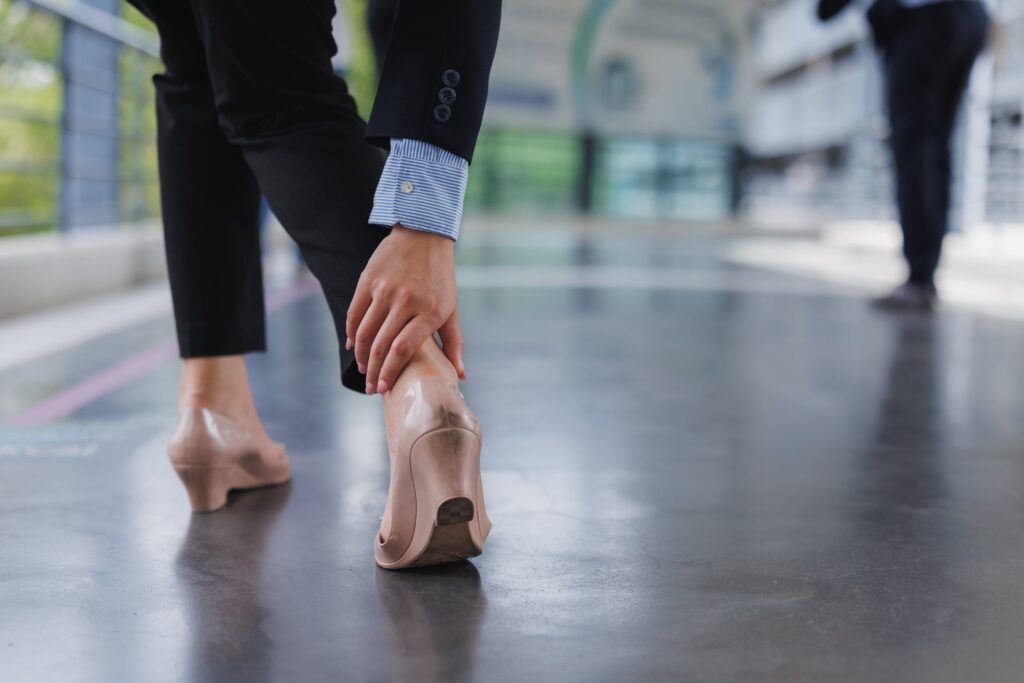
Waking up with sharp heel pain during your first steps of the day can be alarming. Many people describe it as a stabbing or aching sensation that improves as they move around — only to return later after sitting or resting. This pattern is common, and while it may start gradually, it often signals an underlying foot condition that shouldn’t be ignored.
Understanding why heel pain is worse in the morning can help you recognize when simple adjustments are enough and when it’s time to see a foot and ankle specialist.
Why Heel Pain Is Often Worse in the Morning
During sleep, the foot rests in a relaxed position, allowing certain tissues to tighten and shorten overnight. When you take your first steps in the morning, those tissues are suddenly stretched under your body weight, which can trigger sharp pain at the heel.
This is why many people feel intense discomfort right away, followed by some improvement as the foot warms up and becomes more flexible throughout the day.
Most Common Cause: Plantar Fasciitis
The most frequent cause of sharp heel pain in the morning is plantar fasciitis. This condition involves irritation or inflammation of the plantar fascia — a thick band of tissue that supports the arch of the foot and connects the heel bone to the toes.
When the plantar fascia becomes strained, small microtears can develop. Overnight tightening followed by sudden stretching in the morning often leads to the classic “first-step pain” associated with plantar fasciitis.
Other Conditions That Can Cause Morning Heel Pain
While plantar fasciitis is the most common cause, other conditions can also lead to heel pain that’s worse in the morning:
- Heel spurs: Calcium deposits that form on the heel bone and may irritate surrounding tissue
- Tendon irritation: Tight or inflamed tendons can cause pain with initial movement
- Nerve irritation: Compression or inflammation of nerves in the foot or ankle
- Stress injuries: Repetitive impact can strain the heel over time
- Arthritic changes: Joint stiffness may cause discomfort after periods of rest
Who Is Most Likely to Experience Morning Heel Pain?
Certain factors increase the likelihood of developing heel pain, especially pain that’s worse after rest:
- Standing or walking for long periods
- Sudden increases in activity or exercise
- Wearing unsupportive footwear
- High or low arches
- Tight calf muscles or Achilles tendons
- Weight changes that increase foot stress
When Morning Heel Pain Is a Sign You Should Seek Care
Occasional soreness may resolve with rest, but ongoing or worsening heel pain deserves attention. Consider seeing a foot and ankle specialist if:
- Heel pain lasts more than one to two weeks
- Pain returns every morning despite home care
- Walking becomes difficult or painful
- Pain worsens after activity or long periods on your feet
- You notice swelling, bruising, or numbness
What Helps — and What Often Doesn’t
Many people try to manage heel pain on their own. Some strategies can help, while others may only provide temporary relief.
What May Help
- Supportive shoes with proper arch support
- Stretching the calves and feet before standing
- Avoiding barefoot walking on hard floors
- Reducing activities that aggravate pain
What Often Falls Short
- Ignoring pain and “pushing through”
- Relying only on over-the-counter pain relievers
- Using unsupportive shoes or worn-out footwear
- Trying random remedies without a diagnosis
How a Foot and Ankle Specialist Can Help
A proper evaluation helps identify the true cause of heel pain and guides effective treatment. Depending on the diagnosis, care may include footwear guidance, orthotic support, targeted stretching, inflammation management, or other conservative treatments designed to address the root problem — not just the symptoms.
Bottom Line: Don’t Ignore Morning Heel Pain
Sharp heel pain in the morning is common, but it’s not something you should ignore — especially if it keeps returning. Early evaluation and appropriate care can prevent long-term discomfort and help you stay active and mobile.