
Bunion Pain: What Your Feet Are Telling You
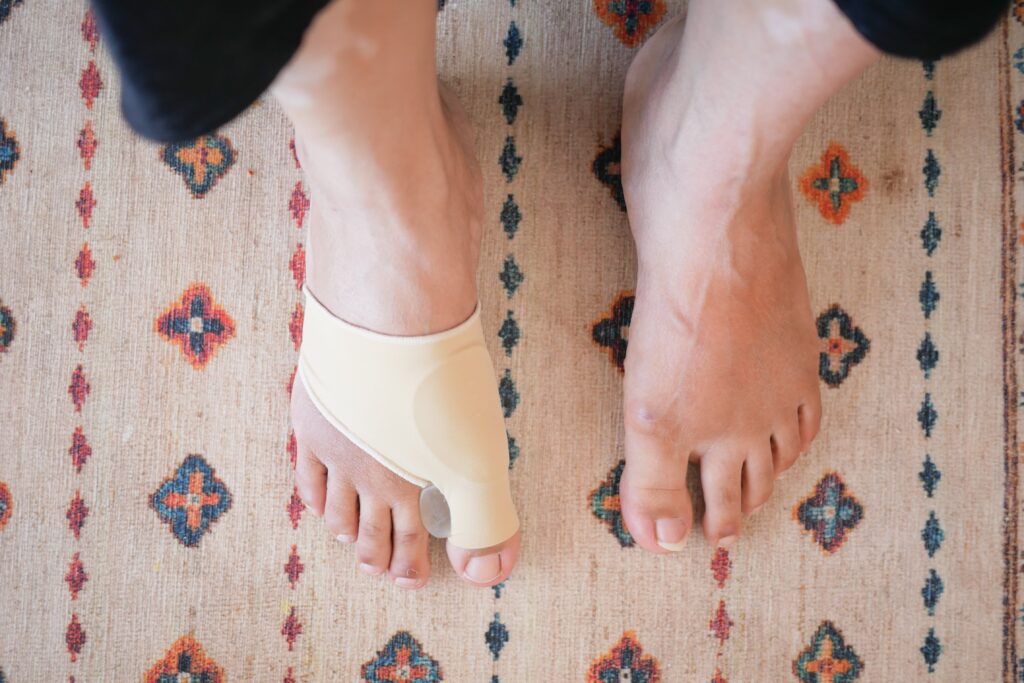
Throbbing at the base of your big toe isn’t just “getting older”—it’s your body asking for help. If you ignore the discomfort, the bump can grow, toes can shift, and simple walks can turn into limps. Here’s how to decode bunion-related foot pain, why it happens, and where to find the most effective bunion treatment in Chicago before the damage becomes permanent.
1. Sharp Stabs While Wearing Regular Shoes
Pain level spikes the moment you lace up sneakers or slip into dress shoes. Translation: the bunion is already rubbing against your shoe’s inner wall. Redness or swelling after only an hour of wear is a sign the joint capsule is inflamed, and continued friction will speed up joint damage.
2. End-of-Day Aching Around the First Metatarsal
A dull ache that ramps up after long, standing shifts means your body is trying to absorb pressure that’s no longer distributed evenly. As the big toe drifts inward, weight shifts to the second toe, irritating tendons and encouraging bunion progression.
3. Morning “Startup” Pain
If your first few steps out of bed feel stiff or burn, fluid has pooled in the joint overnight. That inflammation thickens soft tissue around the bump, making the bunion harder to fit into shoes and accelerating cartilage wear.
4. Numbness or Tingling in the Big-Toe Tip
Pins-and-needles sensations tell you a small digital nerve is being compressed as the bump widens. Ignored long enough, that compression can lead to permanent numbness or neuroma formation.
5. Callus Formation Under the Second Toe
A thick callus here means your weight line has fully shifted off the big toe. In biomechanics terms, your forefoot is no longer functioning as designed—an unmistakable cue to schedule professional evaluation.
Why Addressing Pain Early Matters
Bunions never self-correct. Catching pain in these early stages lets you: • Transition to wide-toe-box shoes before nerve compression becomes chronic • Add custom orthotics to redistribute pressure • Use silicone spacers or night splints to slow the toe’s inward drift • Explore minimally invasive options like Lapiplasty® 3-D correction if conservative care fails
The sooner you start a plan, the less invasive—and less expensive—the ultimate bunion treatment in Chicago will be.
When to See a Chicago Podiatrist
• Pain above 3/10 more than twice a week • Difficulty fitting into standard athletic shoes • Visible bump plus any redness, numbness, or callusing • Family history of rapid bunion progression
Get Ahead of the Pain
Your feet are giving you clear warnings. Let our board-certified team at Opensky Podiatry create a personalized plan to keep every step comfortable. Book an appointment today and discover why patients trust us for proven bunion treatment in Chicago